Understanding Scar Revision

Scar revision is any treatment designed to address scars and marks that are left behind after your skin has fully healed from an injury. When Dr. Firouz approaches scar revision, the ultimate goal is always to help the scar blend seamlessly with the surrounding skin so it becomes much less prominent. We are almost always able to significantly improve the appearance of your scar, but unfortunately, we cannot completely remove them.

The good news is that there are a wide variety of advanced scar revision techniques available today, including injectables, surface treatments, and surgical excision, each tailored to address specific types of scarring. The approach that Dr. Firouz ultimately recommends will depend on several factors, including the unique characteristics of your scar, the quality of your skin, and your overall treatment goals.

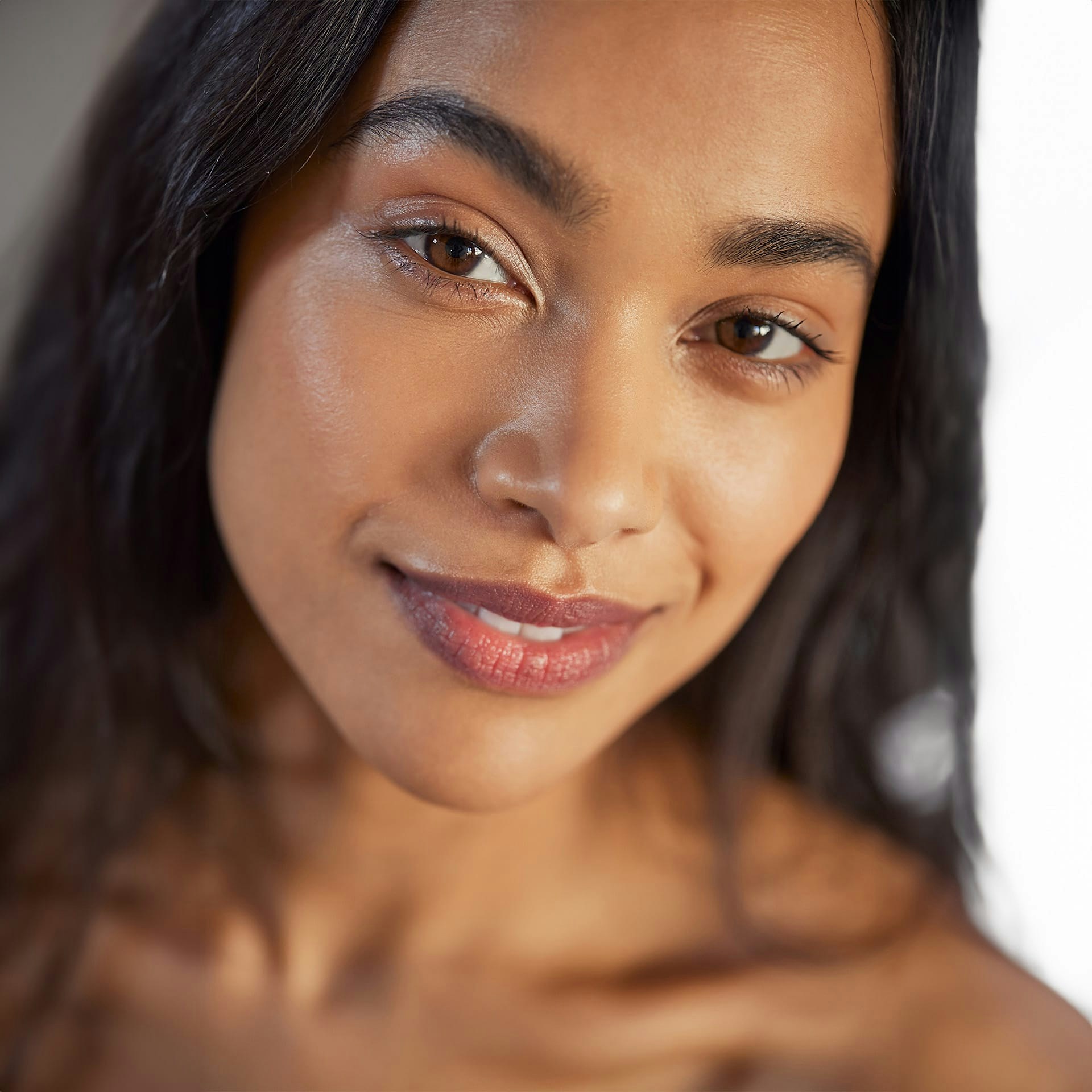
woman with dark hair smiling

Types of Scars

  • Contracture scars result in a tightening of your skin. They tend to develop after a burn.
  • Depressed scars create sunken spots and indentations in the skin. Acne scars are a common form of depressed scars.
  • Flat scars are pink or red and heal completely flat.
    Keloids are particularly challenging scars to treat, but it is not impossible. They are raised above the skin’s surface and extend beyond the injury site.
  • Raised scars, also known as hypertrophic scars, are raised like keloids but do not spread outside of the injury. They may also get smaller with time. 

When Should I Treat My Scar?

It is important to wait until the scar is mature before treating it. This is because most new scars do not respond optimally to revision. As a general rule, Dr. Firouz recommends waiting about one year before attempting scar revision treatments.

Scar Revision Techniques

During your initial consultation, Dr. Firouz will review all the scar revision techniques with you and help you determine which one will be most effective for your scar. 

Injectables

If you have a keloid or raised scar, an injectable like a steroid can help to reduce the collagen in the skin and minimize the scar. If you have depressed scars, dermal fillers like Juvéderm and Restylane can fill them in. 

Resurfacing Treatments

Chemical peels, CO2 laser treatments, and other resurfacing procedures are effective ways to treat some scars. They are non-surgical, in-office treatments that tend to work best when your scars are mild to moderate. 

Surgical Excision

If your scar is deep or severe, an incision may be made to remove it. If enough skin is present, Dr. Firouz can close the incisions again while minimizing the new scar. If there isn’t enough tissue to close the incisions, a skin graft may be necessary.

Background media

Scar RevisionFAQs

How much will my scar improve?

Improvement depends on the type, size, and location of the scar. Some scars respond well to a single treatment, while others benefit from a combination approach for more noticeable refinement.

Is it possible to completely remove my scar?

Scars cannot be completely removed, but they can often be softened and blended so they are far less noticeable.

How many treatments will I need for scar revision?

The number of treatments varies based on the scar and the technique used. Some patients see improvement after one session, while others require a series of treatments for optimal results.

Will scar revision be painful?

Discomfort depends on the method used. Many treatments involve minimal discomfort, and local anesthesia or numbing techniques are often used when needed.

Can older scars still be improved?

Yes, even long-standing scars can often be improved. While newer scars may respond more quickly, older scars can still benefit from targeted treatments.

Will my skin tone affect my scar revision results?

Skin tone can influence how scars heal and respond to treatment. A personalized approach helps reduce the risk of pigmentation changes and supports more even results.

How soon after treatment will I see improvement?

Some treatments provide gradual improvement over time as the skin remodels. Visible changes may develop over several weeks to months.

Are the results of scar revision permanent?

Results can be long-lasting, but some scars may require maintenance or additional treatment depending on how the skin heals over time.

Logo media

Unleash Your Confidence

Schedule a Consultation

Contact Us
Contact us media
Accessibility: If you are vision-impaired or have some other impairment covered by the Americans with Disabilities Act or a similar law, and you wish to discuss potential accommodations related to using this website, please contact our Accessibility Manager at (310) 241-3154.
Contact Us